Personalization needs real human preference.
Trusted by 100+ AI research teams




Find the personalization failures automated evals can't see.
Automated evals can measure task completion. They can't tell you whether a response felt intrusive, stale, off-register, or simply wrong for that person. Personalization fails in predictable ways that only real users can catch, judging against their own interaction history:
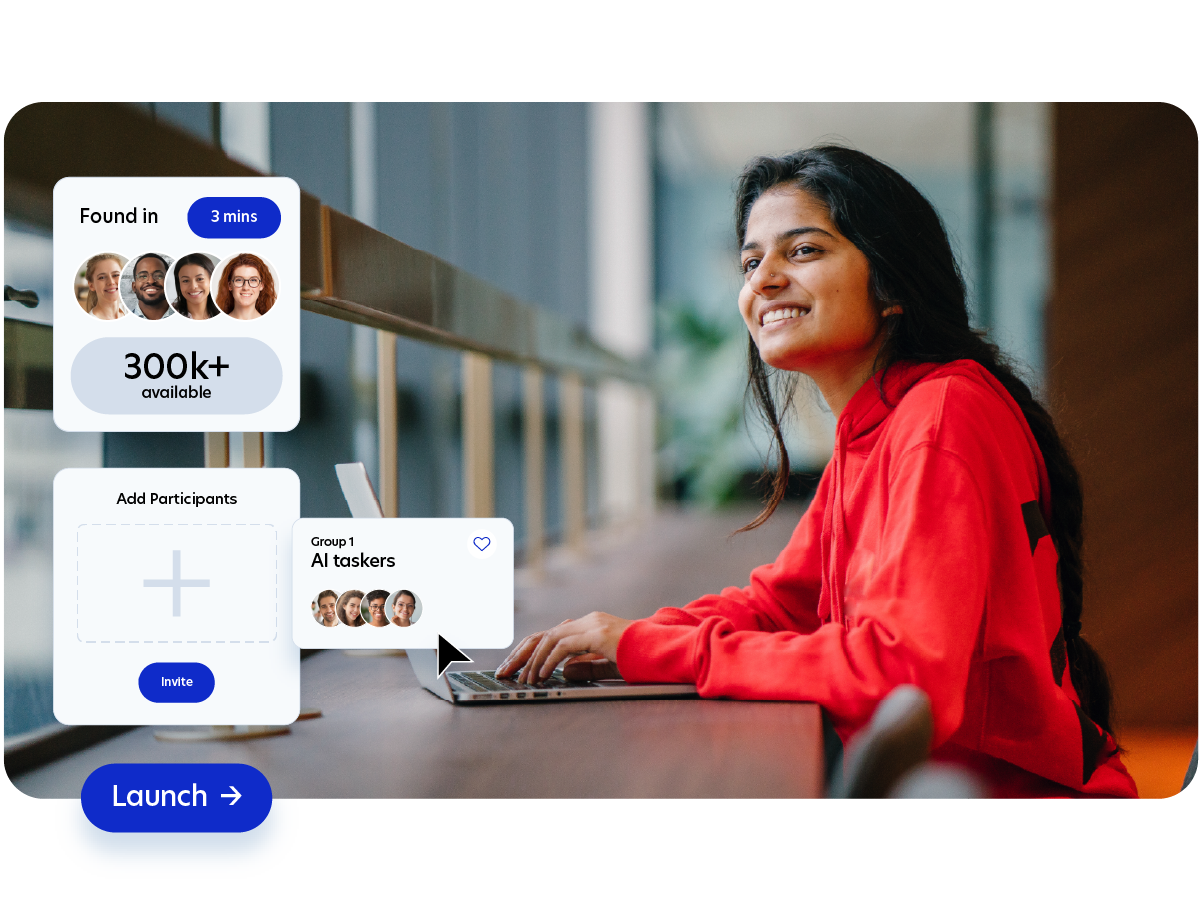
Real users, real usage history, structured for your eval pipeline.
Prolific is the only platform that combines a standing opted-in pool of AI users, consent architecture built for data-sharing studies, and structured output designed for training pipelines. General annotation platforms don't have the pool. Synthetic data providers don't have the signal.
Prolific gives you a repeatable, scalable infrastructure for the hardest part of personalization post-training.
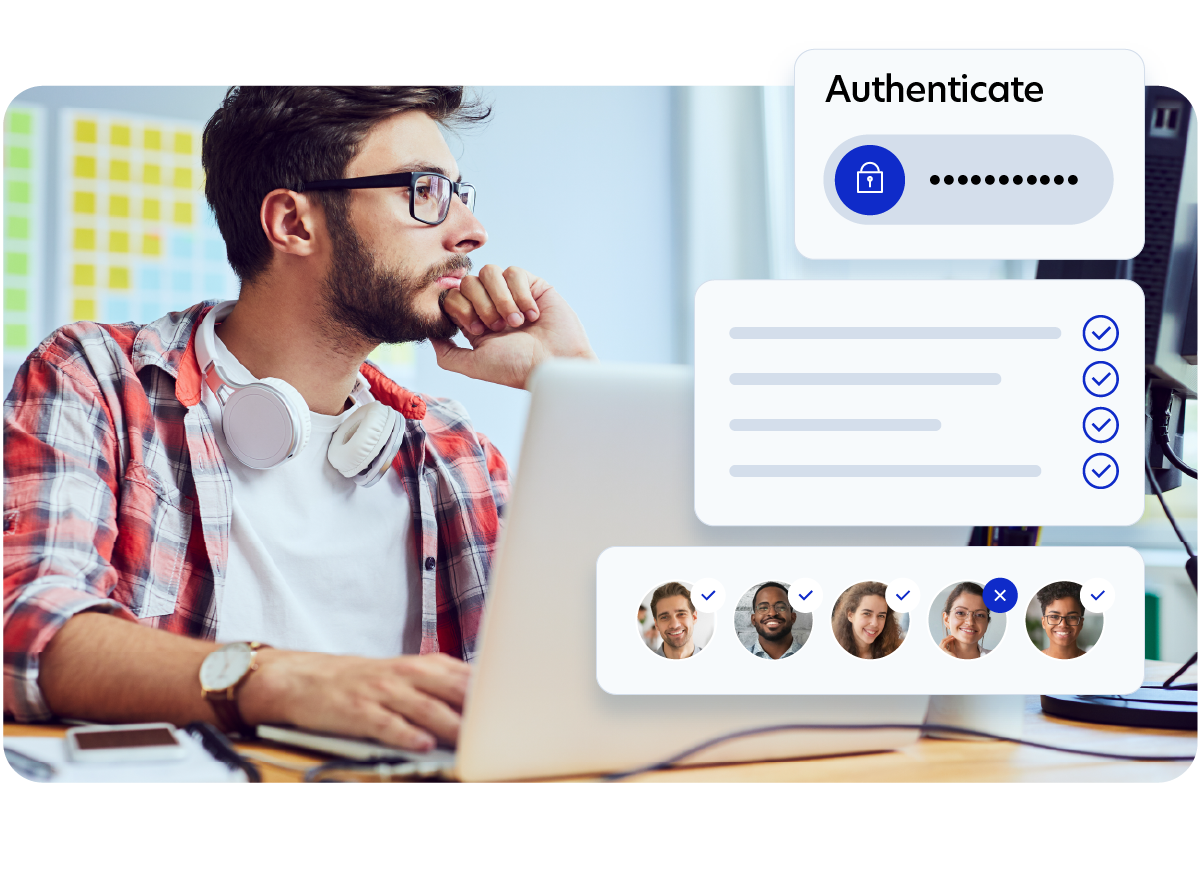
Built on peer-reviewed science, not internal tooling.
Prolific's human evaluation methods are grounded in published research. Our HUMAINE benchmark was accepted at ICLR 2026, and our PRISM Alignment Dataset was recognized at NeurIPS for showing how culturally rooted human feedback shapes model alignment.
We bring that same scientific standard to every commercial eval.
Frontier personalization runs on Prolific
Evaluation methodology
Personalization evals need a two-step baseline. First measure whether a conversation was satisfying on its own terms, then whether more context or different model behavior would have improved it. Attention checks and consistency items are built into every task, and responses that fail them are excluded before delivery.
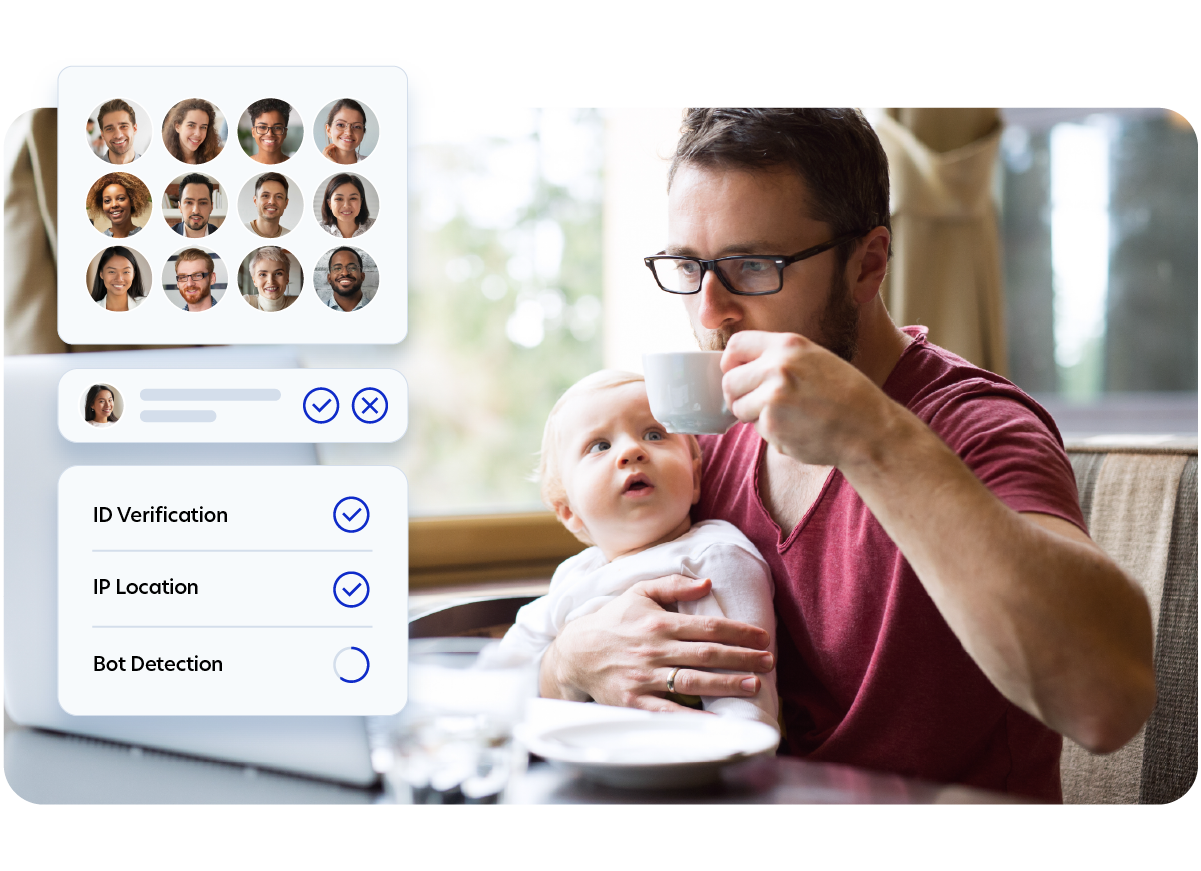
Running across multiple study types at leading AI labs
Frontier AI labs have committed to personalization as a core post-training direction, across memory features, personality controls, and sycophancy mitigation. These are product investments that require human preference signal at scale to validate. The six evaluation factors above map directly to study types already in production.
Six evaluation factors for AI personalization
How fast-moving AI teams use Prolific
Trusted by AI/ML developers, researchers, and leading organizations across industries.



Start collecting human data for AI personalization.
Questions
Participants opt in at screener stage and re-confirm consent at study level before any history is shared. No consent from a prior study carries forward. Participation is entirely voluntary and participants can withdraw at any point. History is used only for the scoped study purpose and is not retained by Prolific beyond the study window. The screener explicitly asks about comfort with sharing, and participants who aren't comfortable are routed to other study types. The consent architecture is operationalized in the screener flow, not just stated in terms of service.
Output is binary or Likert-rated preference pairs, labeled by workstream. Each response includes per-item quality scores based on completion time, attention check results, and internal consistency items. Delivered as structured JSON or CSV with pool segment metadata, ready for training pipelines, eval suites, or A/B comparison.
Tasks include embedded attention checks and internal consistency items. Responses that fail quality thresholds are excluded before delivery. For subjective preference tasks, we use the two-step baseline methodology: Measuring prior conversation satisfaction before counterfactual preference to reduce noise from conflated judgements. Inter-rater agreement targets are configurable per study.
Participants surface relevant interactions from their own AI usage history as grounding material for the evaluation. The specific approach on what history is accessed, how it's surfaced, and the recency window is scoped with clients during study design. This varies by platform and study type. We work through the details upfront to ensure the grounding is meaningful for the evaluation being run.
Yes, with appropriate study design. Longitudinal goal tracking requires persistent participant IDs and multi-session task architecture. This is the most complex workstream and is scoped on a per-study basis with clients.
The platform has 300k+ participants overall. The history-eligible pool is a filtered sub-group screened for active AI assistant use and willingness to share interaction history. Realistic batch sizes per workstream depend on the history depth and task type required, which are discussed during study scoping. The pool is refreshed quarterly to maintain eligibility accuracy.